The Importance of Selecting Senior Care Services Matters: Main Benefits for Older Adults
Choosing senior care solutions is a critical decision for aging adults. These solutions offer personalized support that boosts safety, security, and overall quality of life. Professional caregivers support daily tasks and health management, while also delivering companionship to address loneliness. As seniors experience this stage of life, understanding the comprehensive benefits of these services becomes essential. What distinct advantages do they provide, and how can they empower seniors in their golden years?
How Senior Care Services Benefit Aging Adults
When older adults deal with the challenges of deteriorating health and decreased mobility, senior care services become essential for maintaining their quality of life. These services provide tailored support that allows seniors to live independently while receiving the assistance they need. Hands-on care, including help with personal hygiene, dressing, and medicine management, enhances daily living activities, making certain that older adults can handle their everyday tasks safely. Additionally, senior care services often include companionship, diminishing the sense of solitude and disconnection that numerous elderly individuals face.
Furthermore, these services can provide specialized medical care, addressing chronic ailments and monitoring overall health. Access to trained experts guarantees that seniors receive adequate medical attention without repeated hospital visits. By supplying structured daily activities and social participation, senior care services foster a sense of community and purpose. Ultimately, the significance of senior care services lies in their ability to enhance the dignity and autonomy of aging adults during a vulnerable phase of life.
Elevating Security and Safety By Utilizing Senior Care Services
How do senior care services significantly improve the safety and well-being of aging adults? These services offer a well-organized environment adapted to meet the unique needs of seniors, guaranteeing their well-being. Qualified caregivers are available to help with daily tasks, decreasing the risk of accidents such as falls or medication mismanagement.
In addition, senior care services frequently include safety features for example emergency response systems, mobility aids, and secure living spaces, all designed to mitigate hazards. Regular health monitoring and wellness checks further support a secure atmosphere, allowing for prompt intervention in case of medical emergencies.
Additionally, the presence of dedicated caregivers delivers peace of mind not only for the seniors but also for their families, understanding that their loved ones are under 24/7 supervision. On the whole, senior care services perform an essential role in strengthening safety and security, fostering a supportive environment for aging adults.
How Elder Care Services Support Social Engagement and Address Loneliness
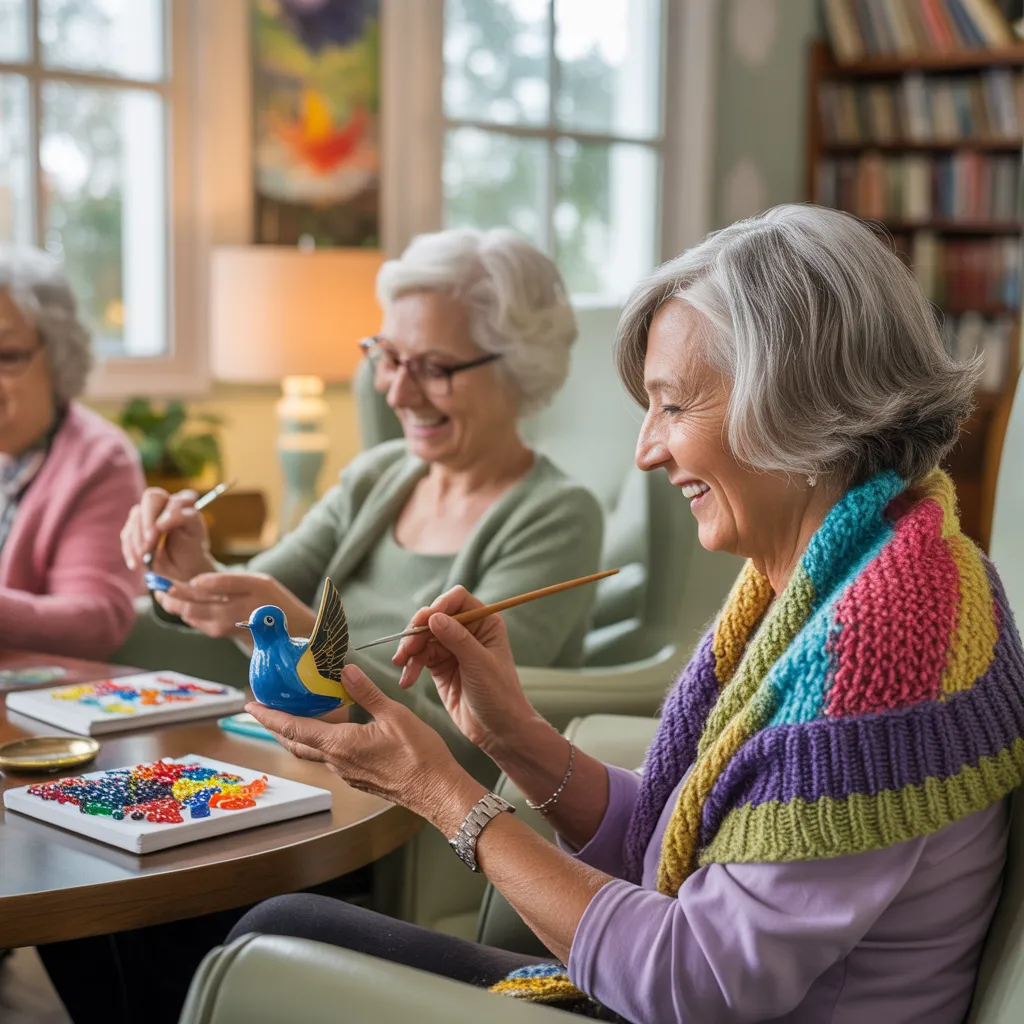
What approaches do senior care services employ to cultivate social engagement and reduce feelings of loneliness among older adults? Senior care services frequently employ a selection of programs intended to stimulate interaction and community building. Group activities, such as arts and crafts, games, and exercise classes, offer opportunities for seniors to engage with fellow residents, enhancing social bonds.
Moreover, many facilities facilitate outings to local events or attractions, giving residents to engage with the larger community. Structured social events, including themed dinners or musical performances, also encourage engagement in a fun and pleasant atmosphere.
Furthermore, care providers are prepared to detect indicators of loneliness and take preventive actions to involve disconnected individuals in social interactions and activities. By fostering an space that champions social interaction, senior care services play a critical role in addressing loneliness and supporting mental well-being among older adults, eventually bettering their quality of life.
Assisting with Everyday Activities Via Professional Help
Several aging adults gain significant advantages from professional assistance in managing daily activities, which can improve their independence and overall well-being. Professional caregivers offer essential support for routine tasks such as meal preparation, personal hygiene, and housekeeping. This assistance enables seniors to preserve their dignity while guaranteeing that their home environment remains safe and comfortable.
Furthermore, caregivers can provide companionship during these activities, which can reduce feelings of isolation and promote a positive mood. By taking care of daily chores, caregivers make available time for seniors to enjoy hobbies or social interactions, cultivating a sense of purpose.
Furthermore, tailored care plans can be adapted to fulfill the distinct needs of each senior, enabling a more focused approach to their daily routines. This combination of practical support and emotional connection substantially contributes to an aging adult's quality of life, making professional assistance a important resource in senior care.
Managing Health and Drug Regimens With Senior Care
As elderly individuals face the intricacies of advancing age, handling medical care and pharmaceutical needs becomes more and more critical for sustaining their total wellness. Aging adult support programs fulfill an essential purpose in this aspect by delivering systematic aid that secures proper medication management and regular health monitoring. Healthcare specialists are educated to recognize the distinct necessities of aging adults, assisting in structuring medication schedules and decrease the likelihood of complications.
By conducting consistent assessments, caregivers can detect changes in health conditions, permitting timely interventions. Additionally, they enable communication between seniors and healthcare providers, ensuring that any medical concerns are promptly addressed. This proactive approach not only enhances medication adherence but also empowers seniors to remain engaged in their health management. Eventually, effective health and medication management through senior care services leads to improved quality of life, greater independence, and peace of mind for both seniors and their families.
Tailoring Senior Living Programs to Personal Situations
Customizing senior care plans to individual needs is crucial for guaranteeing effective support and elevating quality of life. This approach emphasizes the importance of personalized care plans and flexible service options that address each senior's unique circumstances. By focusing on individual preferences and requirements, caregivers can develop a more attentive and supportive environment.
Personalized Treatment Plans
When exploring senior care services, creating personalized care plans is crucial to meet the distinct needs of each individual. These personalized plans take into account several factors such as medical history, personal preferences, and daily routines. By evaluating the particular requirements of an aging adult, caregivers can create a thorough strategy that improves well-being and encourages independence. Personalized care plans provide a deeper understanding of an individual's physical, emotional, and social needs, making sure that support is provided in the most efficient manner. This customized approach not only improves the quality of care but also fosters a sense of dignity and respect for the older adult. Ultimately, personalized care plans result in better health outcomes and greater satisfaction in senior care services.
Adaptable Solution Choices
Versatile care options fulfill a critical purpose in modifying senior assistance programs to address the developing needs of older adults. These options allow caregivers to tailor their services based on the specific requirements and preferences of each senior. For example, an older adult could require aid with routine functions initially and need more advanced clinical care subsequently. This adaptability helps guarantee that care remains relevant and effective, promoting better health outcomes and overall well-being. Additionally, flexible service options can include a variety of schedules and settings, enabling seniors to receive care in their homes or within community facilities. This customized strategy promotes self-sufficiency and honor, permitting elderly individuals to retain command of their daily living while accessing the care they necessitate.
Safeguarding Pride and Autonomy in the Golden Years
In the domain of senior care, protecting dignity and independence is crucial. Supporting personal choice through personalized care plans and delivering social engagement opportunities can considerably improve the quality of life for older adults. These elements not only cultivate self-esteem but also empower seniors to maintain control over their daily lives.
Encouraging Personal Choice
How can senior care services empower individuals to maintain their dignity and independence? By encouraging personal choice, these services allow seniors to make decisions about their daily routines, activities, and care preferences. This autonomy cultivates a sense of self-worth, as individuals retain control over their lives, even in the face of physical limitations. Care providers regularly engage seniors in dialogues about their needs and desires, making sure they feel valued and heard. This collaborative approach not only boosts satisfaction but also promotes mental and emotional well-being. In addition, by respecting personal choices, senior care services help create a nurturing environment where aging adults can thrive, ultimately preserving their dignity while adapting to their evolving circumstances.
Individualized Care Plans
Personalized care plans are critical in preserving dignity and independence for seniors, as they respond to personal needs and preferences. These individualized strategies guarantee that each senior receives appropriate support while maintaining control over their daily lives. By examining medical, emotional, and social necessities, caregivers can build a framework that respects the unique identity of each individual. This approach not only elevates the quality of care but also empowers seniors to engage in decision-making about their routines and activities. Such customization cultivates a sense of belonging and self-worth, permitting seniors to continue taking part in the aspects of life they treasure. Ultimately, customized care plans play an important role in supporting aging adults as they navigate the complexities of their golden years with grace and autonomy.
Social Interaction Opportunities
What opportunities exist for seniors to maintain their social connections and engage with their communities? Senior care services often provide various social engagement activities tailored to the interests and abilities of aging adults. These include group outings, art classes, and exercise programs designed to foster interaction among peers. Several establishments further coordinate community activities, inspiring seniors to take part in area events, which alleviates social disconnection. Moreover, tech education workshops can help seniors stay connected with relatives and companions through digital means. Through encouraging social participation, senior care facilities help maintain respect and autonomy during later life, enabling older adults to associated article enjoy rewarding experiences while nurturing important connections in their neighborhoods.
Questions & Answers
Which Senior Care Services Are Available?
Various senior care services include in-home care, assisted living facilities, nursing homes, memory care units, and adult day care centers. Each option caters to distinct needs, ensuring tailored support for aging adults based on specific circumstances.
How Can I Select the Right Senior Care Provider?
To select the right senior care provider, one should assess needs, research options, read reviews, verify credentials, visit facilities, and consult with healthcare professionals to guarantee a suitable match for the senior's requirements.
Does Insurance Cover Senior Care Services?
Senior care services can be covered through insurance, based on the type of care and the person's policy. Private insurance, Medicare, and Medicaid can provide multiple levels of coverage for certain services and needs.
May Senior Care Services Be Tailored to Meet Individual Needs?
Senior care services are customizable to address individual needs. Care providers typically evaluate personal preferences, health conditions, and lifestyles to customize care plans, ensuring that each aging adult receives appropriate support and assistance.
What Qualifications Must Caregivers Have in Senior Care Services?
Senior care service caregivers should have relevant certifications, expertise in elderly care, solid interpersonal skills, empathy, and CPR and first aid certification. These requirements guarantee effective, safe, and individualized care for elderly individuals.